Introduction: Understanding the Digital IO Landscape
Imagine this: you’re facing a critical operational setback because your system isn’t responding as expected. Frustrating, right? In a world increasingly driven by digital technology, recognizing issues with digital input/output functionalities is essential. Digital IO can seamlessly bridge gaps between different systems. But why do failures always occur during integration? The introduction of discrete control input output devices simplifies this mindset, providing clarity and efficiency in your operations.
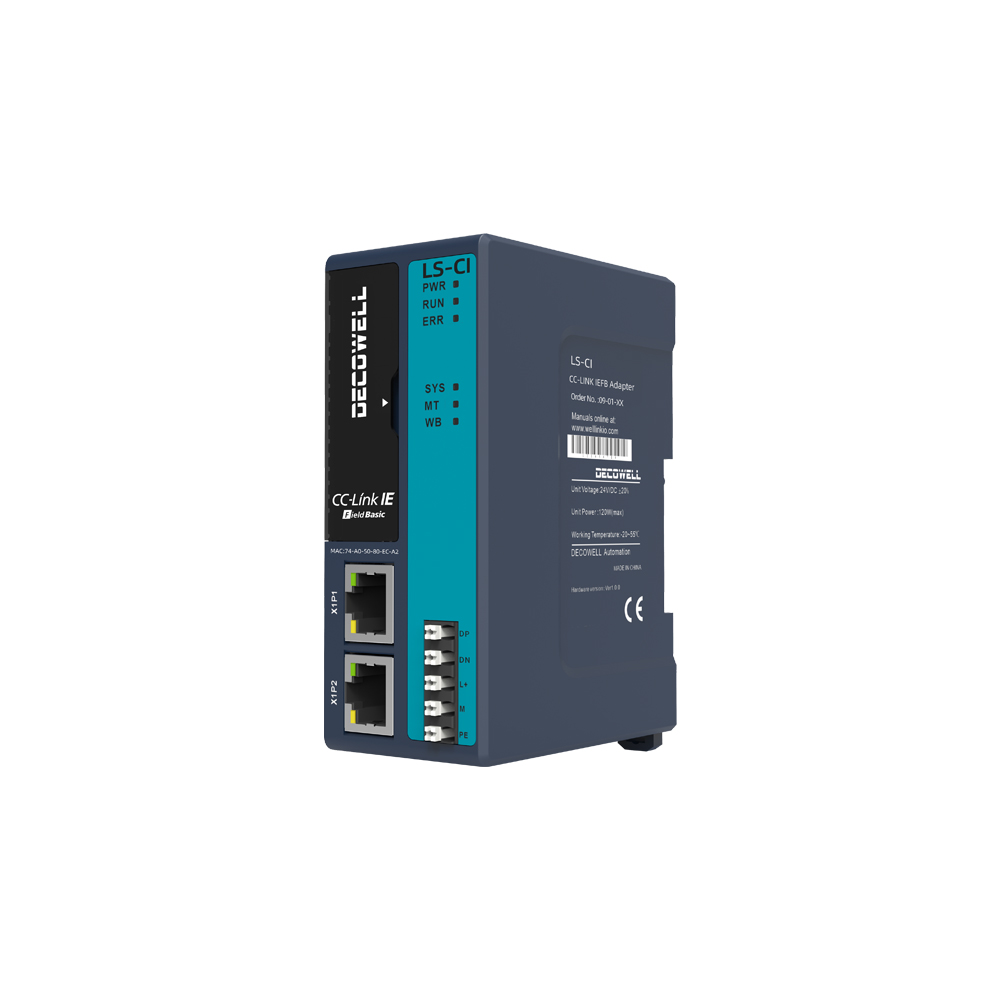
Body: Technical Breakdown of Digital IO Solutions
Traditional Solution Flaws
Many outdated systems rely heavily on analog signals, which often leads to miscommunication and extended downtime. When a device doesn’t understand an incoming signal, the entire workflow can come to a grinding halt. This inconsistency can cause operational inefficiencies and increased costs. So, what’s the fix? Enter the new age of digital technology.
New Technology Principles
Digital control systems utilize discrete control input output devices, allowing for clearer and more precise communication between devices. By leveraging binary signaling—where everything is represented as either on (1) or off (0)—the chances of signal misinterpretation are vastly reduced. Isn’t that a smart move? These devices are designed to operate seamlessly in diverse environments, connecting various systems effectively.
Quantified User Benefits
Users report improved efficiencies, reduced errors, and significant cost savings—up to 30% in some cases—by integrating digital solutions. Real-time data processing empowers teams to make faster decisions and enhances overall productivity. What’s not to love about that? With such advantages, it’s clear that transitioning to a digital input/output model is not just beneficial, but necessary.
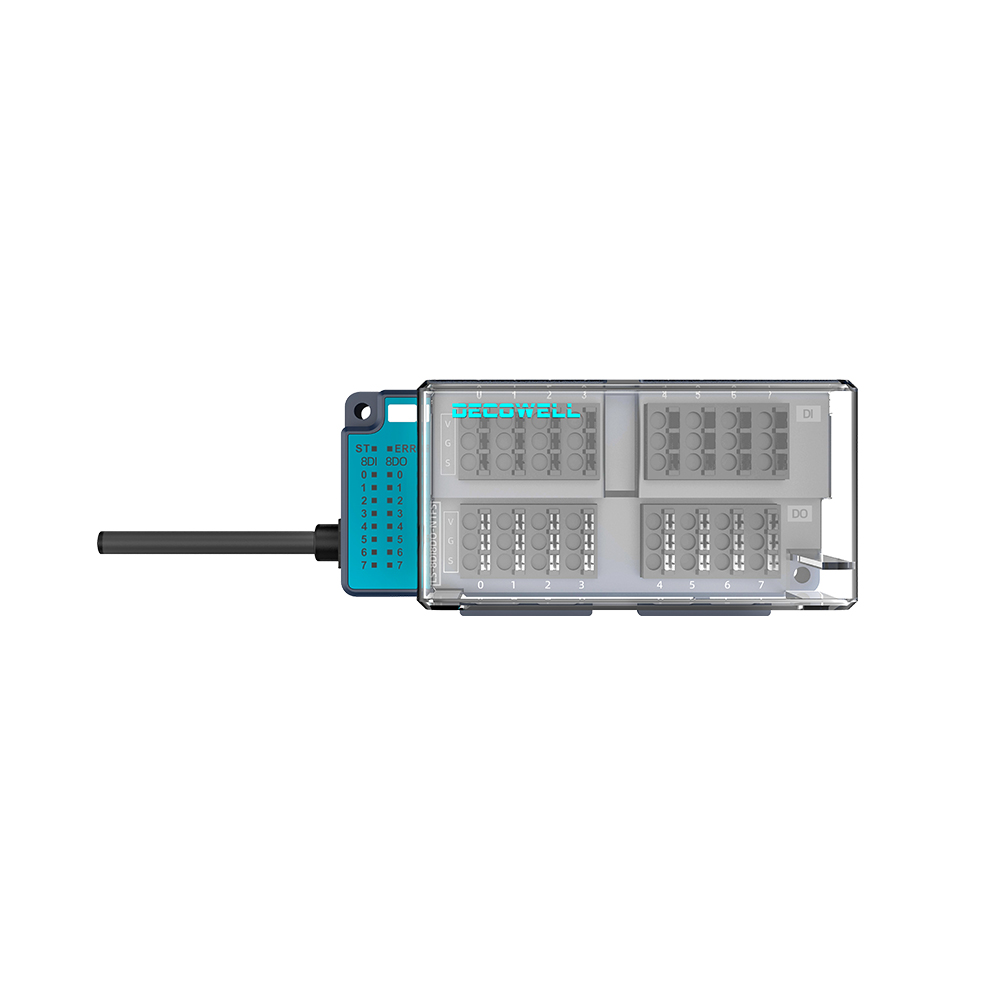
Conclusion: Making Informed Decisions
When scouting for suitable digital solutions, always verify these 3 metrics: ① Compatibility with existing systems ② Response times under load ③ User-friendliness during setup. By focusing on these measurements, you’re more likely to choose the right tools for your team. Look, it’s simpler than you think!
Understanding the Discrete Control Input Output Device
A discrete control input output device is essential in modern automation systems. These devices enable quick binary signaling, enhancing communication across various components. They are designed to interpret inputs with precision and send specific output commands to your systems efficiently. By deploying a discrete control input output device, businesses can ensure that their operations run smoothly, reducing the chances of catastrophic failures common in older systems. Simplicity and efficiency—what everyone desires!
Exploring the Digital Input Output Controller
The digital input output controller is a crucial piece of technology that streamlines the interaction between software and hardware. It acts as a bridge, translating commands into machine-readable protocols. Digital input output controllers are pivotal in industries where precise operations and responsive systems are necessary. Their ability to manage complex tasks efficiently makes them indispensable. So, take a moment to consider how these controllers can benefit your processes and drive innovation in your workflows.
Final Thoughts on Choosing Digital IO Solutions
For organizations striving for operational excellence, adopting effective digital solutions is paramount. The two key components we’ve explored—discrete control input/output devices and digital input/output controllers—serve as foundational elements in today’s technological landscape. To support this transition, consider partnering with a reliable manufacturer like DECOWELL, known for its high-quality offerings and supply advantages. Their commitment to innovation can help you unlock your organization’s true potential in the digital domain.
About the Author
