Global food processing relies heavily on collaborative manufacturing frameworks that allow retail brands to scale liquid condiment inventories efficiently without heavy initial equipment investments. Strategic outsourcing enables emerging enterprises to leverage specialized industrial infrastructure for batch formulation, thermal processing, and high-speed packaging.
Integrating advanced production technology optimizes operational expenditure while maintaining strict microbial safety parameters across global export operations. Partnering with experienced international production organizations like JOLION Foods allows growing food entities to streamline domestic and cross-border commercial ventures.
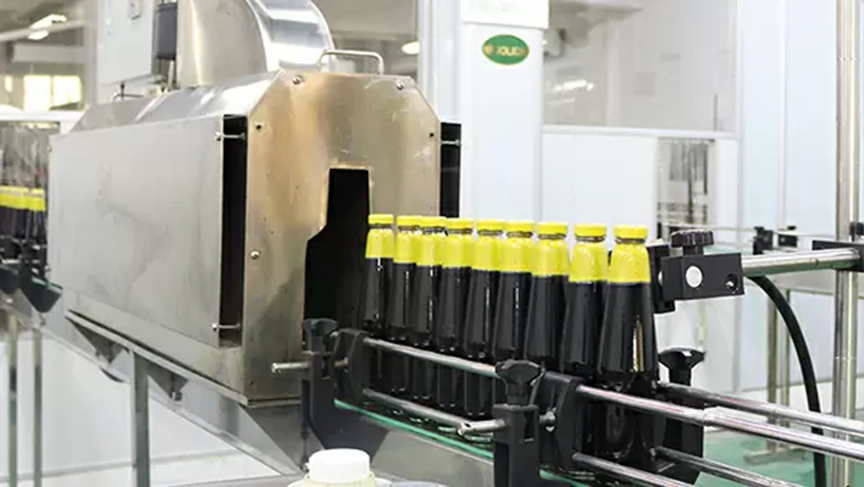
Industrial Scaling Dynamics in Liquid Condiment Processing
Transforming bench-sample condiment formulas into commercial-scale batch outputs requires complex thermodynamic and fluid-dynamics management. Large jacketed mixing vessels utilize controlled steam agitation to disperse dry seasonings uniformly throughout liquid bases without burning delicate solids. Maintaining precise shear rates during agitation prevents unwanted aeration, preserving density specifications across mass production runs.
Scaling recipe ratios upward often introduces unexpected chemical interactions that alter viscosity, color, or shelf stability over time. Automated sensor networks monitor pH, thermal degradation, and Brix concentrations continuously throughout the cook cycle to maintain precise uniformity. Rigorous thermal processing eradicates potential foodborne pathogens without destroying subtle aromatic top notes.
Outsourcing production to specialized partners offering custom sauce manufacturing gives emerging brand owners direct access to advanced industrial scalability without high capital expenditure. Experienced processing engineers troubleshoot complex emulsification challenges long before commercial bottling begins. Technical expertise transforms proprietary recipe concepts into shelf-stable, market-ready consumer items.
Financial Advantages of Contracted Production Infrastructure
Constructing dedicated food processing infrastructure demands extensive financial reserves for specialized stainless-steel machinery, environmental filtration, and land acquisition. Contract manufacturing models convert heavy fixed capital investments into manageable variable operating costs tailored to active sales volumes. Reallocating financial resources toward marketing and brand distribution accelerates market penetration for expanding enterprises.
Processing plants operating six fully automated production lines achieve remarkable economies of scale that significantly lower per-unit manufacturing expenses. High-speed automated machinery accelerates the complete manufacturing cycle, reducing lead times for high-volume commercial shipments. Optimized resource management minimizes raw ingredient waste during batch changeovers and cleaning protocols.
Utilizing specialized custom sauce manufacturing platforms allows businesses to optimize capital allocation while maintaining continuous product delivery schedules. Customized manufacturing plans provide cost-effective solutions that minimize total operational expenditure for growing enterprises. Strategic financial management protects profit margins amid fluctuating agricultural market prices.
Advanced ODM Capabilities and Production Infrastructure
Manufacturing facilities managed by JOLION Foods feature six fully automated production lines equipped with advanced processing systems designed to accelerate cycle times and minimize operational costs. Tailored cost-effective original design manufacturing solutions assist brand owners in optimizing expenditures while meeting diverse market demands across global retail channels. State-of-the-art automation maintains rigorous quality control, providing commercial partners with reliable, high-grade liquid condiments.
Integrated volumetric filling units handle varied glass and plastic container formats with minimal downtime between batch runs. Enclosed processing environments maintain ambient hygiene standards, protecting product integrity throughout high-speed bottling procedures. Advanced digital tracking systems document every processing stage to ensure total lot traceability for international regulatory compliance.
Flexible manufacturing schedules accommodate both medium-sized custom runs and ongoing high-volume retail orders effortlessly. Automated packaging systems apply multi-language labeling and shrink-wrapping to meet regional compliance standards across varied export destinations. Efficient factory workflows provide retail entities with consistent stock replenishment year-round.
Rheological Control and Viscosity Management in Bottled Fluids
Managing fluid movement through industrial pumping systems requires a deep understanding of non-Newtonian flow behaviors present in thick condiment bases. Shear-thinning properties allow viscous liquids to flow smoothly during mechanical filling while regaining desirable body once inside consumer packaging. Hydrocolloid stabilizer selection determines whether liquid dressings retain stable viscosity across varying storage temperatures.
Excessive heat exposure during transportation causes catalytic breakdown of starch matrices, leading to unwanted syneresis or phase separation inside sealed bottles. Rapid cooling systems lower fluid temperatures immediately following hot-fill operations to preserve natural color and delicate flavor compounds. Controlled cooling protocols ensure consistent texture from top to bottom in every bottle.
Engaging an established facility focused on custom sauce manufacturing allows brands to achieve precise viscosity profiles across diverse product lines. Advanced laboratory rheometers measure fluid resistance under varying temperature conditions to ensure consistent pourability for end users. Scientific accuracy guarantees identical mouthfeel across every production lot.
International Regulatory Compliance and Traceability Standards
Navigating international food trade mandates strict adherence to established safety protocols, including Hazard Analysis Critical Control Point guidelines. Automated inspection equipment screens packaged items for physical contaminants, glass fragments, or improper seals prior to cartoning. Detailed electronic logging records processing temperatures, batch durations, and ingredient source codes automatically.
Compliance certifications such as ISO, Halal, Kosher, and FDA registration simplify customs clearance when products enter foreign commercial ports. Independent laboratory testing validates microbiological safety, heavy metal thresholds, and accurate nutritional labeling data. Transparent quality verification builds long-term commercial trust among international food distributors.
Collaborating with established global trading partners such as JOLION Foods assures retail brands that all manufactured items comply with stringent international hygiene requirements. A rigorous quality assurance framework minimizes regulatory delays across complex international supply chains. Reliable manufacturing partnerships support sustainable commercial expansion across competitive global markets.
Conclusion
Understanding the operational, financial, and technical mechanisms of original design manufacturing empowers food businesses to make informed supply chain decisions. Modern automated facilities protect product purity, optimize production costs, and maintain consistent quality across large-scale commercial runs. Sourcing tailored solutions through established international entities like JOLION Foods provides growing brands with the manufacturing agility, safety compliance, and financial flexibility necessary to thrive in global retail markets.
About the Author
