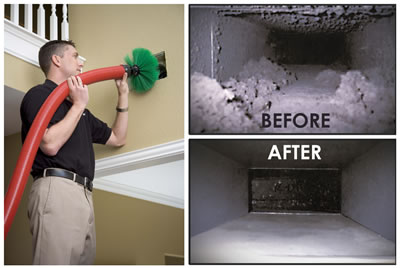
Air ducts play a crucial role in the overall performance and efficiency of your HVAC (Heating, Ventilation, and Air Conditioning) system. They are responsible for distributing conditioned air throughout your home, ensuring that every room reaches the desired temperature. However, the condition and design of your ductwork can significantly influence how effectively and efficiently your HVAC system operates. Understanding the relationship between air ducts and HVAC efficiency can help homeowners make informed decisions about maintenance air duct cleaning services and improvements.
One of the primary ways air ducts affect HVAC efficiency is through airflow. Clean, unobstructed ducts allow for optimal airflow, ensuring that conditioned air reaches all areas of the home without hindrance. When ducts are clogged with dust, debris, or even mold, airflow becomes restricted. This can lead to uneven temperatures throughout the house, where some rooms may feel hot or cold while others are comfortable. In turn, your HVAC system must work harder to compensate for these imbalances, leading to increased energy consumption and higher utility bills. Regular air duct cleaning and maintenance are essential to prevent buildup and maintain proper airflow, allowing the system to operate at peak efficiency.
Another factor influencing efficiency is the design and layout of your ductwork. Poorly designed ducts, such as those with sharp bends or inadequate sizing, can create friction and resistance, impeding airflow. This inefficiency forces your HVAC system to use more energy to deliver the desired temperature. Ideally, ductwork should be designed to minimize bends and ensure proper sizing for the space it serves. If your ducts are improperly installed or configured, it may be worth consulting with a professional to evaluate the system and make necessary adjustments. Investing in well-designed ductwork can lead to significant long-term savings on energy bills.
Leaky ducts are another common issue that can adversely affect HVAC efficiency. Over time, duct joints and seams can deteriorate, leading to leaks that allow conditioned air to escape before it reaches its intended destination. According to the U. S. Department of energy, leaky ducts can account for a loss of up to 30% of the air that a system produces. This loss not only makes your home less comfortable but also increases the workload on your HVAC system, resulting in higher energy costs. Sealing and insulating your ducts can prevent this air loss, helping to improve system efficiency and reduce energy expenses.
Moreover, the condition of the air ducts also influences the overall lifespan of your HVAC system. A system that is constantly overworked due to airflow restrictions, leaks, or inefficiencies will experience increased wear and tear. This can lead to frequent breakdowns, costly repairs, and ultimately a shorter lifespan for the HVAC unit itself. By ensuring that your air ducts are clean, well-designed, and free of leaks, you can help your HVAC system run more smoothly and extend its operational life. This proactive approach not only saves money in the long run but also enhances the comfort of your home.
In conclusion, the efficiency of your HVAC system is intricately linked to the condition and design of your air ducts. Clean and unobstructed ducts promote optimal airflow, while well-designed and leak-free ductwork ensures that your system operates effectively without unnecessary strain. By prioritizing regular maintenance, proper design, and necessary repairs, homeowners can significantly improve their HVAC system’s efficiency, resulting in enhanced comfort, lower energy costs, and a longer lifespan for their heating and cooling equipment. Understanding this connection is key to maintaining a comfortable and cost-effective living environment.
About the Author

