Understanding the Connection Between Stress and Relaxation
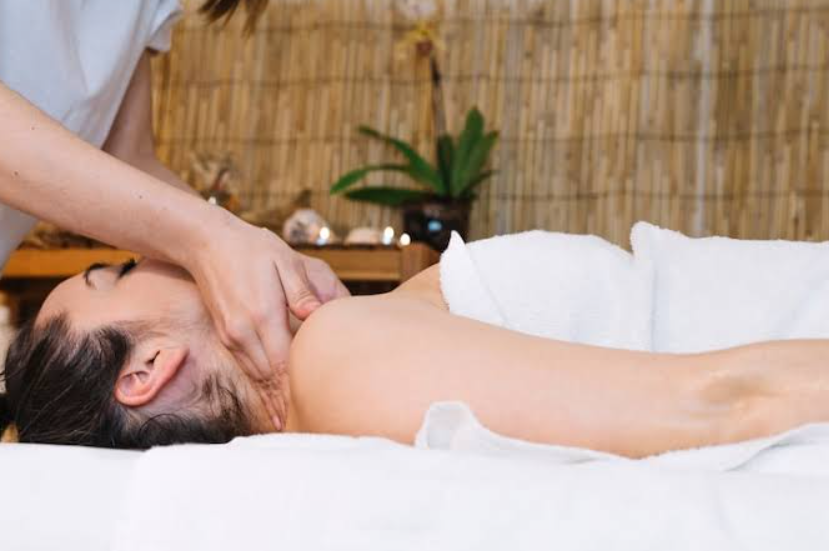
Stress has become a common part of modern life, often resulting from work demands, busy schedules, family responsibilities, and constant digital distractions. While short periods of stress can be a normal response to everyday challenges, ongoing tension can make it difficult to relax and disconnect. Massage offers one way for people to create dedicated time for rest and relaxation. Through 마곡스웨디시 controlled pressure and rhythmic movements applied to soft tissues, massage can provide a calming experience and encourage people to focus on their physical comfort. The quiet environment of a professional massage setting can also provide a valuable break from daily routines. Although massage is not a cure for every cause of stress, it can be incorporated into a broader approach to relaxation and personal wellness.
Exploring Physical Benefits
One reason massage remains popular is its ability to provide temporary relief from feelings of muscular tightness and everyday physical tension. People who spend long hours sitting at a desk, standing at work, traveling, or participating in physical activities may experience areas of stiffness or discomfort. Different massage techniques can be adapted to focus on particular areas of the body, with pressure adjusted according to individual preferences and comfort. Gentle techniques may be suitable for relaxation, while other approaches use firmer pressure to address areas of muscular tension. Individual responses can vary, and massage should not be used to diagnose or treat unexplained pain. Anyone experiencing persistent, severe, or unusual discomfort should seek advice from an appropriate healthcare professional.
Supporting Mental Relaxation
The benefits of massage are not limited to physical sensations. Setting aside time for a massage can create an opportunity to slow down and focus on the present moment. A peaceful environment, reduced distractions, and rhythmic movements may help some people feel calmer during and after a session. For individuals who find it difficult to take breaks during busy days, scheduling dedicated relaxation time can be a useful part of a self-care routine. Massage can also encourage greater awareness of areas where people habitually hold tension, such as the shoulders, neck, or back. It is important to recognize that massage should complement, rather than replace, appropriate professional support for ongoing mental-health concerns or significant stress-related difficulties.
Choosing the Right Massage Experience
There are many massage styles available, and selecting an appropriate option depends on personal preferences, goals, and comfort levels. Swedish massage is often associated with flowing movements and moderate pressure, while deep-tissue techniques generally involve more focused and firm pressure. Sports massage may be chosen by physically active individuals, and hot-stone massage combines manual techniques with heated stones. Some services may also incorporate aromatherapy or other relaxation elements. Before a session begins, clients should discuss their expectations, preferred pressure, areas of concern, and any relevant health information with the practitioner. Open communication allows the practitioner to adjust techniques and helps create a more comfortable experience. Choosing a qualified and reputable professional is another important part of receiving massage safely.
Making Relaxation Part of Everyday Wellness
Massage can be most useful when it is viewed as one element of a balanced wellness routine rather than a standalone solution. Other healthy habits, including regular physical activity, adequate sleep, hydration, nutritious food, stretching, and time away from screens, can also support general well-being. People should listen to their bodies and avoid assuming that stronger pressure always produces better results. Certain health conditions, recent injuries, skin problems, or other circumstances may require professional advice before receiving massage. If discomfort occurs during a session, clients should communicate immediately so the technique or pressure can be adjusted. By combining appropriate massage with healthy daily habits and realistic expectations, individuals can create more opportunities for relaxation and move toward a calmer, more balanced lifestyle.
About the Author