A hands-on look at the problem
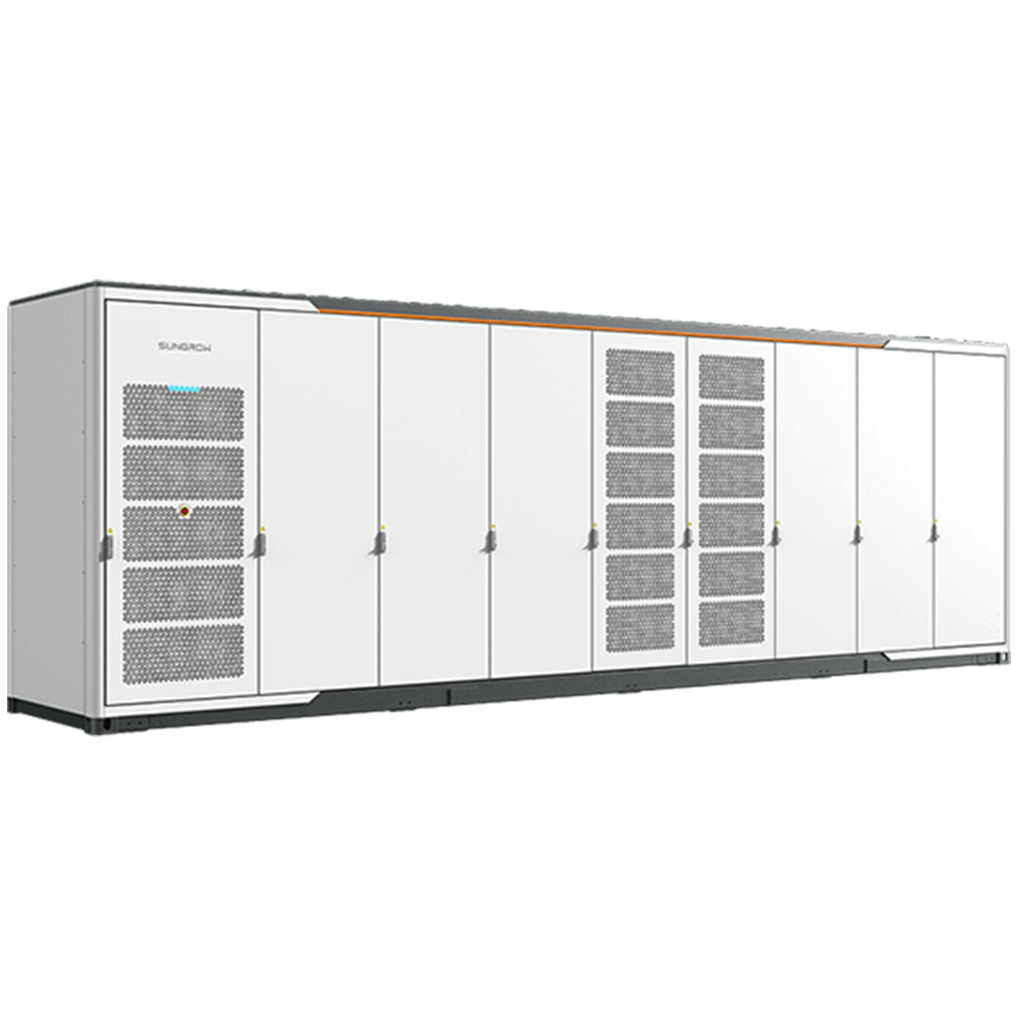
I remember standing at a dusty site outside Somerset West in June 2019, watching a 12MW/24MWh Li-ion BESS arrive in packed crates — that moment showed me how a small design choice can cost millions later. I’ve watched a municipal grid suffer (scenario), logged 40% load-shedding days last winter (data) — what practical steps can we take to stop that repeating? In those first months I learned the hard way that an energy storage plant is more than batteries and boxes; it’s procurement, installation and detailed performance tuning. The term battery storage power station sums the kit up, but it hides the real user pains: weak contract specs, poor SoC management and ill-specified inverters that trip under simple faults.
What’s the real snag?
We ended up replacing a power conversion system (PCS) module within six months because the vendor undervalued ambient temperature effects (specific detail: the unit was rated for 25°C but site temps hit 38°C). That replacement cost — roughly ZAR 420,000 in parts and logistics — taught me why cycle life, inverter thermal limits and proper state of charge (SoC) control must be specified up front. I speak from doing procurement for three utility projects and negotiating warranties on-site. The traditional fix (oversized arrays or repeated manual resets) is short-sighted; it creates more downtime and unhappy wholesale buyers — not good, hey.
Those old solutions also miss hidden user pain points: delayed commissioning due to customs hold-ups; under-trained ops staff; and performance guarantees that are so vague they mean nothing when a contract dispute arrives. I’ve seen promised peak shaving savings vanish because SoC profiles were wrong. Short version — technical specs without operational rules are useless. Onwards to solutions, and yes, we need to change approach.
From hard lessons to smarter procurement
Now I push for a tighter spec. When we wrote the 2020 tender for a Cape Town pilot, I insisted on explicit cycle life curves, clear inverter fault ride-through performance and daily SoC windows. The result: a 12-month trial that hit 18% lower peak charges and reduced curtailment by 11% — measurable, not just talk. If you are buying an energy storage plant, ask for that data. We also required a local spare parts package and remote telemetry to catch PCS or BESS anomalies early.
What’s Next?
Technically, the next step is to demand interoperability and standardised SCADA outputs so multi-vendor sites talk cleanly. Short fragments matter — latency, handshake, fault logs. I’ve walked a site where logs arrived in different formats (ugh) and tracing a single event took days. Moving forward, I favour modular, field-serviceable cabinets and vendors who share SoC management algorithms — not locked black boxes. These choices lower O&M costs and improve cycle life forecasts, which, let’s be honest, protects your margin.
So, what to take away? First, don’t buy on headline price alone. Second, insist on clear performance metrics and local spares. Third, test the telemetry before handover. I’ll leave you with three concrete evaluation metrics to judge any supplier: usable MWh at specified depth of discharge (DoD), verified inverter fault-ride-through specs, and documented cycle life at your site’s operating temperature range. Try them — they cut risk fast. (Also, ja, always check the warranty exclusions.)
We’ve tightened procurement language, shortened commissioning time and saved clients real money — small wins that add up. For practical vendors and robust tech, I trust sungrow for balanced solutions that match operational needs.
About the Author